Salt Lake City homeowners face a tight window each year. Snowmelt begins. Roots wake up. Ground thaws unevenly. Sewer laterals that looked fine in January can fail in March. A sewer camera inspection before spring reduces risk during the heavy flow period that follows the first warm-up. It verifies actual pipe condition, documents defects, and informs the right fix before wet soils and higher usage spike the chance of a sewage backup.
Across Sugar House, The Avenues, Yalecrest, and Liberty Wells, many homes sit on legacy clay or cast-iron lines laid decades ago. Federal Heights and Capitol Hill run across steep grades with shifting soils. In Rose Park and parts of Millcreek, groundwater and mature tree canopies push roots toward joints. A quick video session gives a precise view that a plunger or chemical drain opener can never deliver. It settles the question of what is wrong and where, using data, not guesswork.
Why spring exposes weak sewer lines along the Wasatch Front
Spring in Salt Lake City, UT brings water and movement. As snow melts across the benches, inflow to Main Sewer Lines rises. Private sewer laterals see higher loads from more laundry cycles, spring-cleaning, and holiday cooking. The frost lens retreats and soil expands. Small fractures open. Root intrusion accelerates in porous clay joints and at cast-iron hub connections. Mineral scale from the city’s hard, calcium-rich water flakes during temperature swings and catches debris. The result is predictable: slow drains in February can become a Main Line Blockage by April.
In older blocks near Sugar House Park and Liberty Park, the combination of mature trees and legacy materials drives risk. Cottonwood, elm, and maple roots chase the moisture around joints and hairline cracks. In The Avenues and Capitol Hill, vertical elevation changes force solids to settle at low points and at slope transitions. Sags form, often called bellies, where flow loses velocity. That traps wipes and grease. Spring load exposes those traps fast.
What a video camera pipe inspection shows that a snake cannot
A Drain Auger, often called a plumbing snake, can punch a hole through a clog. That clears flow for a while. It does not show why it clogged. A Video Camera Pipe Inspection answers that. A Ridgid camera head with a self-leveling lens pushes through the Cleanout or a Floor Drain and sends a live feed to the technician. The tech inspects the full run to the city tap. The video shows:
- Root intrusion patterns, from hairlike feeders to thick taproots bursting at clay joints. Mineral Scale Buildup along cast-iron walls creating a rough interior that grabs wipes and grease. Grease Clogs layering in flat sections, often near Kitchen Sinks and Garbage Disposals. Structural damage such as cracks, offsets, sags, or collapsed sections of Sewer Pipe.
Once the visual confirms the cause, the tech can pick the right method: Hydro-jetting for soft sludge and grease, Pipe Descaling for rough cast-iron, Rooter Service for roots, or Trenchless Sewer Repair if a section has failed.
Salt Lake City pipe materials and what inspection reveals
Many Yalecrest and Sugar House homes still connect with vitrified clay. Clay joints every few feet create entry points for roots. The camera will show clean, tight joints if the line is healthy. If roots pierce the gasket area, the lens reveals root masses at specific joints, often at 3, 6, or 9 o’clock positions based on soil load. In cast-iron lines common near Liberty Wells and The Avenues, the camera reveals heavy tuberculation. That is rust bloom from oxidation that grows inward. It narrows the diameter and holds organic matter. PVC lines exist in newer builds in Millcreek and Holladay, yet they can still sag due to soil settlement or show glue misalignment at couplings. A camera view documents each issue with footage length marks so repairs can be surgical, not random.
Historic districts north of Temple Square show mixed repairs: clay patched to PVC, sometimes with a misaligned Fernco. The lens picks up the ridge at the transition, where paper and fats lodge. It also catches illegal tie-ins, like a Utility Tub draining into the wrong segment, or a P-Trap missing on a Floor Drain in a basement near Capitol Hill. Each problem has a clear signature on video.
Elevated mineral content and its impact on flow
Salt Lake City’s mineral-rich water deposits calcium and magnesium on pipe walls. In a cast-iron lateral, mineral scale binds to corrosion. That roughness behaves like sandpaper. Solids coming out of a Bathroom Tub or Kitchen Sink slow and stick. Over time, this produces repeat Slow Drains and Gurgling Toilets as air becomes trapped. A camera inspection shows the matte, jagged surface. It also shows where a hydro-jetter nozzle should focus and how aggressive Pipe Descaling should be. A soft jet may not cut through scale. A chain knocker or carbide head, driven by a Spartan Tool or a General Wire Spring machine, is often the right approach for severe scale. The video helps select tooling and set RPMs and passes so the tech does not overcut and thin the pipe.
Roots surge in spring — a camera confirms depth and density
Root systems around Sugar House Park, Yalecrest, and The Avenues thrive on lateral leaks. Early spring brings rapid growth. Hair roots thread through gasket gaps and expand as they absorb moisture. A camera head shows both density and direction of the root mass. That matters because it shapes the plan:
- Light roots near the city tap might respond well to Hydro-jetting with a finishing flush. Dense root balls at multiple joints signal a recurring issue that needs Trenchless Sewer Repair with a Perma-Liner cured-in-place liner. A single offset with root spears suggests a spot repair rather than a full liner.
Without video, a rooter pass may cut the roots but leave a punctured joint that welcomes regrowth within weeks. With video, the tech can map each joint, depth, and branch so the repair matches the real defect.
Gurgling toilets and sewer gas — what the camera and vent stack say
Gurgling Toilets often point to airflow issues in the Vent Stack or an obstruction downstream creating negative pressure. A camera inspection cannot run up the roof vent, but it can confirm whether the main line is restricted, creating back-pressure. The lens can also catch standing water in the lateral that blocks venting. If the Vent Stack is frozen or blocked by a nest near Federal Heights in cold weeks, gurgle will fade once thawed. If the line is full or near-full due to a Main Line Blockage, the gurgle persists. Video gives that distinction fast. If the camera sees Foul Sewage Odors rising from a Floor Drain, it often correlates to a dry P-Trap or a failed trap primer. The fix differs from a clog. Again, verification saves time and damage.
Hydro-jetting, descaling, and the right nozzle selection
Hydro-jetting is not one setting. Salt Lake City lines vary from 3-inch old cast to 6-inch laterals near commercial tie-ins. The correct hydro-jetter nozzle and pressure set the difference between flushing sludge and chewing through weak spots. On grease-heavy lines near restaurants by Vivint Arena and the downtown 84111 corridor, a rotating grease nozzle at moderate PSI cuts and rinses the layer without driving it downstream to the Catch Basin. For residential laterals in 84105 and 84106, a rear-thrust nozzle with controlled flow clears yard-root fines while avoiding blowback into the house.
Video before jetting sets target segments and confirms downstream capacity. Video after jetting verifies that the debris clogged drain service Salt Lake City left the line and did not settle at a low point. In cast-iron descaling, the camera inspects wall thickness visually and checks for ovality. Heavy descaling in a thin-wall segment can lead to a crack. The tech adjusts aggressiveness and pass count based on footage.
Clay offset, sewer belly, and slope correction decisions
Slope in the sewer lateral should run about 2 percent on 3- to 4-inch lines for residential work. Too little slope and solids stall. Too much slope and water outruns solids. A camera run can show a belly by sustained standing water on the lens. It can also show offsets where one clay hub dropped, producing a small step. In Sugar House and The Avenues, where soil shifts as the frost retreats, offsets can be common. The inspection maps the footage from the Cleanout to the city tap. Then the tech can plan a spot excavation. If multiple defects appear over long segments, a Perma-Liner trenchless liner can bridge them all without a full dig across a landscaped yard or under a driveway.
Sump pumps, catch basins, and the false positive trap
Sewage Backup scares homeowners. Yet not every basement water incident is a sewer failure. Sump Pumps can discharge to a storm line or to grade. If a sump ties into a sanitary line, it can overload the lateral during snowmelt. A camera inspection distinguishes between sanitary backups and storm intrusion. In Rose Park, where shallow groundwater can rise in spring, water in a Catch Basin may point to storm load rather than a sewer clog. The camera run clarifies the path. It also confirms whether a floor drain connects to the sanitary or a separate pump. That clarity prevents chasing the wrong repair.
Why a pre-spring inspection beats an emergency call
Salt Lake City has bursts of calls tied to weather. The first 60-degree week pushes roots and melts snow fast. Schedules fill. Prices for emergency work can be higher. A planned Video Camera Pipe Inspection in late winter or early spring avoids that crunch. The tech records a baseline, cleans if needed, and schedules any repair before runoff peaks. If the line looks good, the homeowner has documentation. If issues exist, Just Right Plumbing can stage Hydro-jetting, Rooter Service, or Trenchless Sewer Repair before the ground saturates.
This also matters for real estate transactions in 84103 and 84108 where buyers expect clear sewer documentation. A high-definition camera run with a Ridgid system and a locating probe can place a defect within inches. That helps both sides set repair credits accurately instead of relying on estimates with wide ranges.
What the inspection process looks like in a Salt Lake home
The team locates the nearest Cleanout, often outside near the foundation in Sugar House bungalows or inside a basement utility area in Yalecrest cottages. If a Cleanout is missing, the tech can use a Toilet flange or a Floor Drain with care to avoid creating an Overflowing Sink or bathroom fixture mess during the push. A Ridgid reel feeds the camera head through the pipe. The tech marks footage and notes transitions: cast iron to clay, clay to PVC, bends, and tees. If the head meets resistance, a short pass with a Drain Auger opens a path. Then video continues to the city tap.
On return, the tech reviews footage with the homeowner. Offsets, cracks, and Root Intrusion show clearly. Grease Clogs look like a brown curtain. Mineral Scale Buildup appears as jagged, white or gray encrustation. A locator maps the exact spot in the yard or drive. The tech writes a plan: Drain Cleaning now, return with Hydro-jetting tomorrow, or schedule Trenchless Sewer Repair with Perma-Liner if needed. The homeowner gets a copy of the video for records.
Case examples from across the valley
In a 1930s brick home near Liberty Park, the camera found a 10-foot belly in the middle third of the Sewer Lateral with standing water. The family had repeated Slow Drains and Gurgling Toilets during laundry days. Hydro-jetting cleared sludge, but video showed the belly would reload. A sectional liner corrected the grade across the sag. Flow normalized and the odors at the Floor Drain disappeared.
In The Avenues, a clay-to-cast-iron transition under a porch had a 1-inch offset. Spring root growth hit that lip and built a mat. The camera marked the spot at 47 feet. A spot excavation corrected the joint, and a short Perma-Liner sleeve stabilized the area. No more recurring Sewage Backup during April storms.
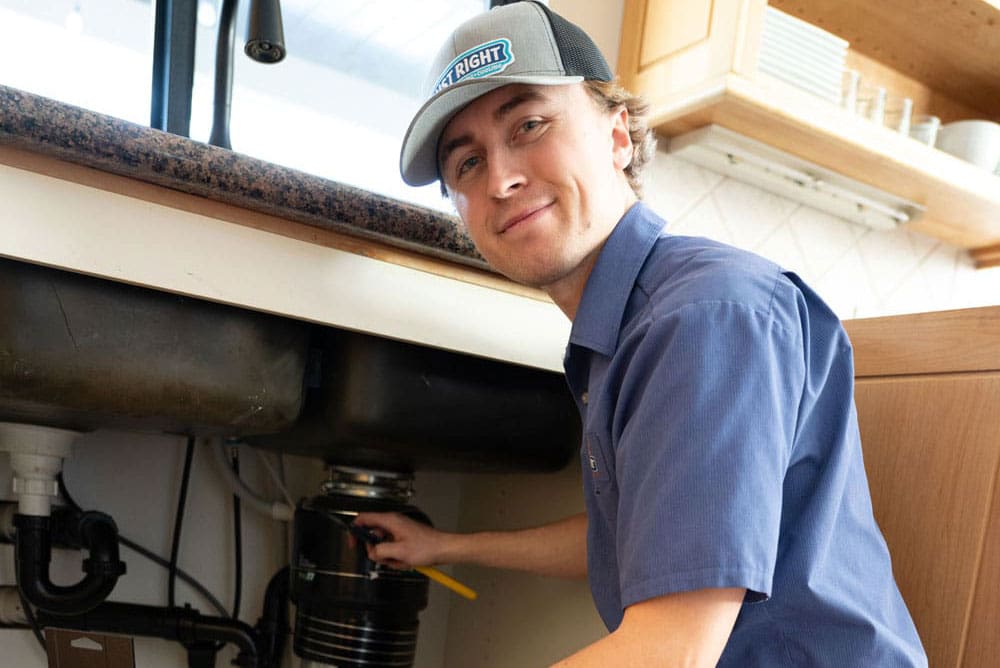
In Rose Park, a Kitchen Sink with an InSinkErator disposal fed 3-inch cast iron with heavy scale. The camera showed scale faces that caught stringy food. A Pipe Descaling pass using a General Wire Spring chain knocker, guided by camera visuals, smoothed the wall. A follow-up hydro-jet pass and an enzyme maintenance dose with Bio-Clean held the line clear through summer.
In Yalecrest, an older home tied a Utility Tub into a small-diameter branch without a P-Trap. Odors filled the basement. The camera tracked the branch into the main. The fix added a proper P-Trap and cleanout access. Video after confirmed full flow and no cross-connection issues. Odors stopped immediately.
Coordination with city mains, slopes, and cleanout placements
Private laterals in 84101, 84102, and 84111 often run to deeper city mains under downtown streets. That adds length and bends. A camera run identifies high-friction sections and long horizontal spans that need regular maintenance. Homes near the University of Utah sit on slopes that speed water. Yet even on steep grades, small bellies form near retaining walls due to settlement. The camera reveals the localized sag even when upstream flow looks strong. Installing a new Cleanout at the property line can shorten future service time and cut costs by giving direct access to the lateral.
How hydro-jetting and root cutting tie into long-term results
Hydro-jetting removes sludge and grease better than a snake because it flushes debris out of the pipe. It prevents pushing clogs deeper. In root work, a rotary nozzle can shave root fibers smooth. Yet without addressing the entry point, regrowth is certain. The camera confirms which joints admit water and roots. If two or three joints show intrusion, a trenchless liner offers the most durable answer. If a single cracked hub leaks, a spot repair saves money and time. The camera footage backs the choice with evidence.
For heavy cast-iron scale, descaling restores flow diameter but can thin a pipe already at end-of-life. The camera helps judge wall quality and combined with age and location data guides whether to line or replace. Along the Wasatch Front, soil acidity and moisture vary widely. Lower benches in Millcreek and Murray hold more moisture, which accelerates corrosion. A video record with narrative notes gives a homeowner a plan over two to five years rather than a guess.
Kitchen grease and spring parties — prevention guided by video
Spring gatherings near Temple Square and weekend games at Vivint Arena bring more cooking. Grease poured into a Kitchen Sink cools fast in a 50-degree lateral under shaded yards. It coats the wall and traps solids. A camera run often finds the first 20 to 30 feet from the house heavily coated, while the rest stays clean. That pattern suggests a targeted Hydro-jetting pass with a rotating head to scrub that segment, not an entire-line assault. The tech may also adjust the Garbage Disposal practices and fit a maintenance plan with Bio-Clean to digest fats and organic matter. Video in six months checks progress rather than relying on guesswork.
Septic tanks and laterals at the city edge
While many Salt Lake homes connect to city mains, some edge properties toward Draper, Sandy, and Bountiful may rely on Septic Tanks or hybrid setups. A camera inspection verifies whether the clog sits in the house branch, the tank outlet baffle, or the leach field connection. Standing Water and Foul Sewage Odors near the tank area need a different plan than a city lateral blockage. A quick camera push through the outlet confirms baffle condition. It also shows if solids bypassed into the line. Early data avoids pumping a healthy tank when the real issue sits at a collapsed elbow near the house.
Catch basins, driveway drains, and spring melt
Driveway drains and backyard drains collect runoff and often connect to storm systems or to sump discharge. In Federal Heights and Capitol Hill, steep drives feed Catch Basins fast during a thaw. If those drains connect to a sanitary line by mistake, they can overload the lateral. A camera inspection during dry weather confirms whether cross-connection exists. Fixing it before spring storms keeps sanitary flow stable and avoids fines from improper connections.
Where clogs hide inside the house
Not every clog lives in the yard. A clogged P-Trap under a Bathroom Tub or a grease-packed branch under a Kitchen Sink can mimic a mainline issue. Gurgling Toilets and Overflowing Sinks point to vent or main problems, while a local Slow Drain often points to a branch. The camera process can start at the nearest Cleanout to the suspected issue. If the branch is clear, the tech steps up to the main. This approach is faster and avoids unnecessary holes in walls or floors.
Tooling mattered yesterday and matters now
The right tools collect the right data. Ridgid cameras deliver clear video and accurate length counts. Spartan Tool machines and General Wire Spring equipment offer controlled cutting and descaling, which reduces risk to aging lines. Locators pair with the camera head to mark depth and position accurately. Hydro-jetter nozzles vary widely; a root-cutting head differs from a grease spinner. Viega fittings give reliable transitions when a small excavation replaces a faulty section. Perma-Liner systems rehabilitate long runs without trenching across a yard. Every brand named above carries a track record in Salt Lake City soil and climate conditions.
Drain cleaning versus clogged drain repair — the role of video evidence
Drain Cleaning removes obstructions. Clogged Drain Repair fixes the cause. If a camera run shows a smooth, round pipe with a single grease ball, cleaning solves it. If the lens reveals a cracked clay hub with Root Intrusion, cleaning buys time but not stability. Repair takes priority. The video lets a homeowner see the same defect the tech sees. That alignment cuts friction, prevents overselling, and speeds the right decision.
In 84109 and 84108 near foothill zones, soil movement makes joint separations more common. In 84101 and 84111 downtown, long laterals and traffic vibration change the failure pattern. Video distinguishes one from the other.
The map of risk across neighborhoods and landmarks
Sugar House, with its tree-lined streets and older clay, shows high root risk. The Avenues and Capitol Hill show offset risk from slope and old joints. Yalecrest and Federal Heights blend legacy cast iron with newer PVC, creating transition challenges. Rose Park has groundwater and soft soil pockets where bellies form. Millcreek and Murray include more PVC but with settlement at backfill seams. Around Temple Square and Utah State Capitol, traffic and deep mains add complexity. Near the University of Utah and Hogle Zoo, elevation and bench geology change drainage patterns. Liberty Wells and areas by Liberty Park often show mixed materials and hidden spurs. Each micro-area informs how a camera inspection is planned and how service vehicles stage access.
Why a camera inspection beats guessing on price and scope
Upfront Flat-Rate Pricing only works when scope is clear. A camera inspection clarifies footage length, the number of defects, and the type of work needed. Hydro-jetting a grease clog in a 20-foot segment costs less than descaling 60 feet of cast iron. A spot repair at 35 feet with a shallow depth differs from a deep dig at 75 feet under a driveway. Trenchless Sewer Repair with a Perma-Liner can be quoted precisely once length and transitions are confirmed. Guesswork invites overruns. Video shuts that door.
What happens if a homeowner waits until after spring
Delaying inspection until late spring raises odds of a Sewage Backup. That triggers Standing Water on floors and can damage finished basements in Sugar House, The Avenues, and Millcreek. It brings Foul Sewage Odors and health concerns. Emergency Rooter Service can clear flow temporarily, but water damage and restoration exceed the cost of planned inspection and cleaning. Insurance carriers may ask for proof of maintenance. A video record helps that conversation.
Commercial edges and shared lines near downtown and arenas
Near Vivint Arena and other mixed-use blocks, some buildings share laterals. A camera inspection determines the tie-in point and clarifies who owns what. It also sets a cleaning plan before big event weekends, where loads spike. Hydro-jetting after-hours prevents disruption. A precise camera record stops neighbor disputes and keeps lines stable during peak use.
Map-pack signals matter — so does response time
Homeowners search for clogged drain service Salt Lake City when water rises in a tub or a Toilet gurgles. The fastest, most accurate response comes from a local team that knows 84105 and 84106 street grids, alley Cleanouts behind Yalecrest garages, and steep approaches near Capitol Hill. The tech who knows Sugar House Park traffic patterns can time arrival and bring the right hose length. The crew that has cleared roots near the University of Utah knows which trees line the parkways and how roots look in those soils. That local fluency pairs with the camera to produce better outcomes in less time.
Maintenance planning after inspection
A camera inspection generates a maintenance map. Lines with high grease loads near Kitchen Sinks and Garbage Disposals get quarterly Hydro-jetting or enzyme maintenance. Cast-iron with moderate scaling gets an annual descaling review. Clay with minor Root Intrusion gets planned cuts each spring and a watch on joint condition. After Trenchless Sewer Repair, a post-cure camera run confirms liner placement and reinstated branches. Sump discharge and Catch Basin connections get verified each spring. This is how repeat emergencies end.
Safety, compliance, and workmanship signals
Proper sewer work protects indoor air and water. During inspection and cleaning, traps must stay wet, and vents must stay functional. The camera confirms restoration after work. If a Cleanout is added, it should sit at the correct elevation with a proper cap. Viega or equivalent couplings should be used to join dissimilar materials correctly. Where a liner is installed, a permit and city inspection apply. A final camera pass becomes part of the closeout package.
Technical edges that affect spring performance
- Temperature shift changes viscosity. Fats set faster in cold soil lines. Early spring sees the worst mix of cold pipes and heavy usage. Head loss rises with scale. A 10 percent diameter reduction in a 4-inch cast line reduces flow area by about 19 percent and spikes friction. That turns normal paper loads into hangups. Airflow matters. A partially blocked Vent Stack magnifies symptoms during drawn-out showers or laundry cycles. The camera confirms whether the clog is airflow-driven or water-driven by showing real-time flow behavior at the P-Trap entries and in the main. Elevation changes alter flow. Lines near Federal Heights and Capitol Hill can run fast. Yet a single sag negates that advantage and traps solids. Video footage makes the low point plain.
Home features that change the best approach
Garbage Disposals increase small particle load. An InSinkErator paired with poor hot water use near the sink creates cold grease films. Camera footage shows early wall coating. Bio-Clean and hot-rinse habits lengthen time between cleanings.
Basement Utility Tubs introduce lint and fabric fibers that tangle in scale. A camera pass near those tie-ins often shows localized mats that respond well to a specific hydro-jet pass rather than full-line service.
Bathroom Tubs in older homes often have drum traps or unusual P-Trap layouts. The camera helps navigate those sections without damage and shows where modern traps or vents would help drain speed.
Why camera inspections reduce surprises during Sewer Line Repair
Excavating without video is guesswork. A camera run marks the defect spot and depth. That reduces lawn and concrete disruption. It allows a straight trench to the right point. If a trenchless method is used, it confirms the start and end points for Perma-Liner placement and checks reinstated branch connections, like a tie-in from a Kitchen Sink or a Bathroom Tub, after curing. The camera also prevents accidental line strikes by clarifying path and depth before digging. This is especially important near tree roots and irrigation near Sugar House and Yalecrest lawns.
Cleanouts and access matter more than most think
Adding a Cleanout near the property line makes future service faster and cheaper. Many 84105 bungalows lack exterior access, forcing indoor routes through a Toilet or Floor Drain. That raises risk of internal spills. A proper Cleanout with adequate diameter gives direct access for a Hydro-jetter Nozzle and a camera head. It shortens work time and improves cleaning quality. The camera inspection reports where a new Cleanout would add the most value.
Emergency cues a camera inspection should follow
Emergency service starts with flow restoration. After a Rooter Service or initial jet, a camera pass should confirm open status and document the cause. Without video, a homeowner may face the same emergency within weeks. The video sets next steps: more aggressive descaling, spot repair, or a liner. It also sets the timeline before spring storms or snowmelt hit.
Insurance and documentation
Many carriers covering properties in 84103, 84108, and 84111 ask for proof of maintenance when handling repeat sewer claims. A dated camera report with narrative findings supports the claim and shows responsible upkeep. It also protects resale value. Buyers near Utah State Capitol and Temple Square often request sewer documentation with footage in offers. A clean, clear video recorded before spring supports a smoother transaction.
Why Just Right Plumbing integrates HVAC knowledge into sewer diagnostics
NATE-Certified Technicians with HVAC and plumbing training understand airflow and pressure behavior. That shows up in drain diagnostics. A Gurgling Toilet can relate to a Vent Stack issue that ties back to roof penetrations and stack sizing. Air movement and water movement share physics. This dual certification builds better drain solutions and helps separate what is a drain issue from what is a vent or indoor air issue. Homes across Murray, Holladay, and South Jordan benefit from that integrated view during spring tune-ups.
The role of neighborhoods, zip codes, and landmarks in scheduling
Traffic near Vivint Arena during events affects arrival windows in 84111. Steep streets by the University of Utah make winter access tricky and change load-out plans. Sugar House Park road work may divert trucks, so hose lengths and camera reels must match the distance to the Cleanout. Crews familiar with 84105, 84106, 84101, 84102, 84103, 84108, 84109, and 84111 plan routes and select gear accordingly. That reduces delays during time-sensitive spring maintenance.
The right time window before spring hits hard
In Salt Lake City, the best inspection window sits between late February and late March. Snow still sits in shady yards, but day temps rise. Roots have not fully expanded. Water tables have not peaked. The camera run during this Salt Lake drain unclogging period captures real conditions without the noise of flood flow. Any needed Hydro-jetting or Trenchless Sewer Repair can wrap before April storms. That timing protects homes near Liberty Park, Sugar House Park, and the downtown core before events and yard projects begin.
Bringing it back to outcomes that matter
A pre-spring sewer camera inspection in Salt Lake City is practical risk control. It addresses the real local factors: hard water scale, legacy clay joints, mature tree roots, steep terrain, and soil movement along the Wasatch Front. It shows what exists, measures it, and guides the right mix of Drain Cleaning, Hydro-jetting, Pipe Descaling, Rooter Service, spot repair, or Trenchless Sewer Repair. Homeowners across Sugar House, The Avenues, Capitol Hill, Yalecrest, Liberty Wells, Federal Heights, Rose Park, and Millcreek have used video verification to stop recurring Slow Drains, Gurgling Toilets, Standing Water, Foul Sewage Odors, and surprise Sewage Backup during spring.
When to schedule and what to watch for before spring thaw
- Repeated Slow Drains in multiple fixtures or Overflowing Sinks during laundry. Gurgling Toilets after showers or when the Washing Machine drains. Foul Sewage Odors near a Floor Drain or utility room. Green, lush strips in the yard along the Sewer Lateral path after a light thaw. Past records of Grease Clogs, Root Intrusion, or Mineral Scale Buildup.
What homeowners receive after a proper camera inspection
- A digital video file with footage counters and narrated findings. A marked sketch showing Cleanout locations, lateral path, and defect points. A service plan prioritizing quick wins and durable repairs, with options. Tooling notes on Hydro-jetter Nozzle types, descaling heads, and access points. A schedule that fits the pre-spring window and coordinates with landmark traffic near Temple Square, Utah State Capitol, and University of Utah areas.
Ready for a precise, local solution
Book a pre-spring Video Camera Pipe Inspection with Just Right Plumbing to protect your Salt Lake City, UT home before snowmelt and roots surge. The team is Licensed, Bonded, and Insured, BBB Accredited, and Google Guaranteed, with NATE-Certified Technicians who handle both plumbing and HVAC factors that influence drains. Expect Upfront Flat-Rate Pricing, documented findings, and options that match your line’s actual condition. 24/7 Emergency Response is available across Sugar House, The Avenues, Yalecrest, Liberty Wells, Capitol Hill, Federal Heights, Rose Park, Millcreek, and all major zip codes including 84101, 84102, 84103, 84105, 84106, 84108, 84109, and 84111. Ask for hydro-jetting or clogged drain service Salt Lake City when you call, and end recurring blockages with evidence-based Drain Cleaning, Clogged Drain Repair, and Sewer Line Repair. All services carry a 100% Satisfaction Guarantee.
Just Right Plumbing, Heating & Cooling
Website: https://justrightair.com
Phone: +1 801-302-1154
Our Locations
Main Office:2990 S 460 W,
Salt Lake City, UT 84115 Downtown SLC Satellite:
231 E 400 S, Unit 104B, Salt Lake City, UT 84111 Layton Branch:
3146 N Fairfield Rd, Layton, UT 84041
Hours of Operation
- Monday - Friday: 7:30am – 6:00pm
- Saturday: 8:00am – 4:00pm
- Phone Hours: 24/7
Utah Licenses: 12304429-5501 / 12343294-0151 / 14523170-0151